California has a way of surprising me.
Although I didn’t grow up here, I’ve come to appreciate that some of the state’s most remarkable stories aren’t the ones we learned in school. They’re waiting in local museums, family photo albums, community memories, and in the people dedicated to preserving them.
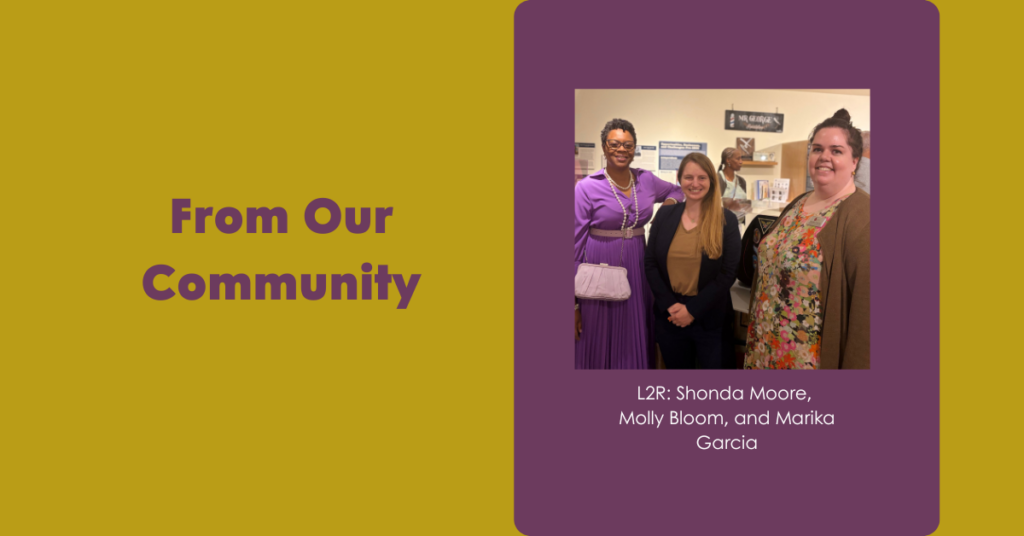
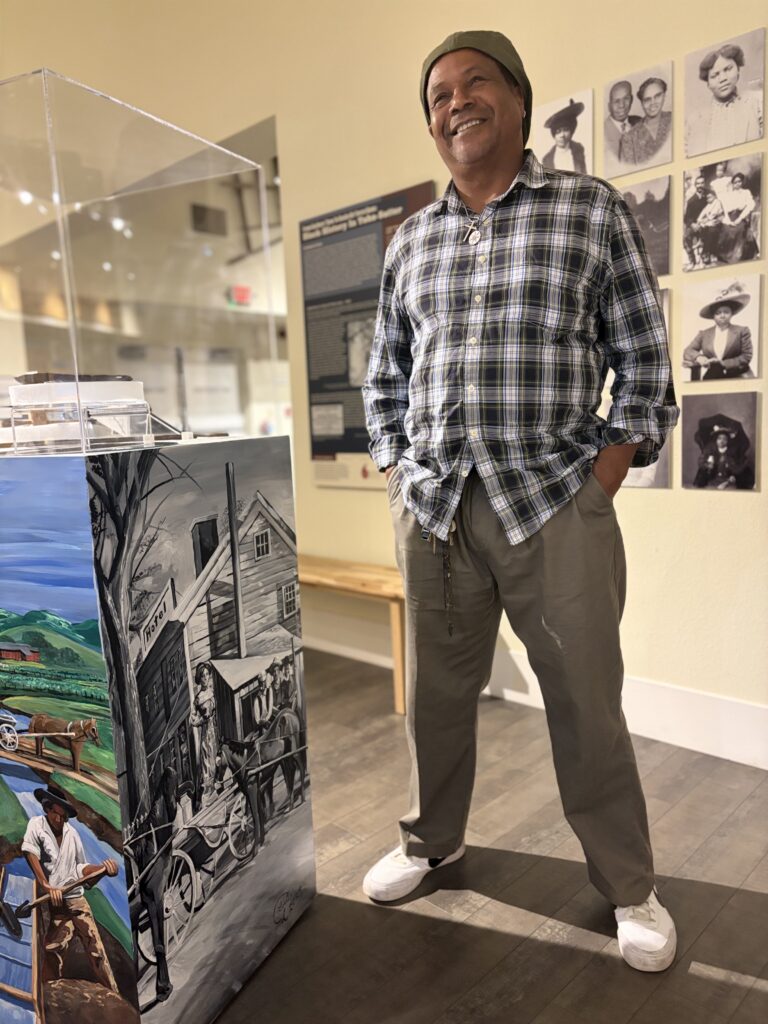
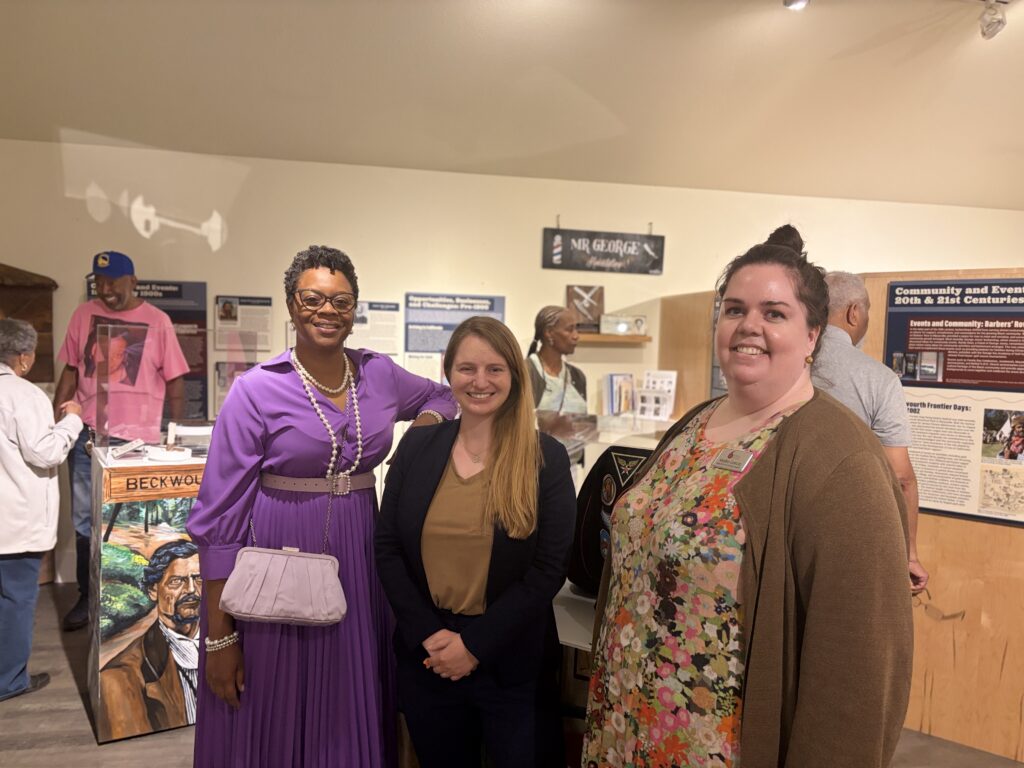
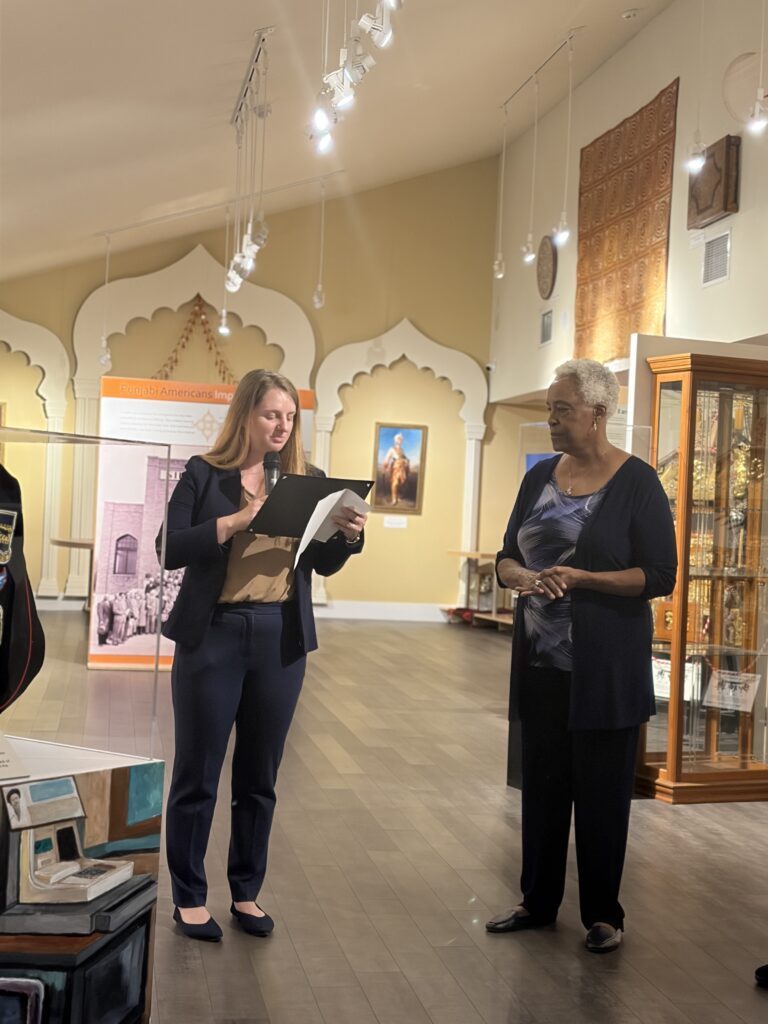
Recently, I had the opportunity to visit the Sutter County Museum and experience From Barbers’ Row to Beale Air Force Base: Black History in Yuba-Sutter, a permanent exhibition supported in part by California Humanities. As I walked through the gallery, I was reminded that there is still so much Black history waiting to be uncovered across California.
The exhibition is the result of years of research, community outreach, and collaboration. Guided by Humanities Advisor Gwen Ford, museum staff, volunteers, historians, artists, and residents worked together to preserve stories that might otherwise have been lost. Through oral histories, family photographs, donated artifacts, and archival research, they created a powerful portrait of the Black communities that have helped shape Yuba and Sutter counties for generations.
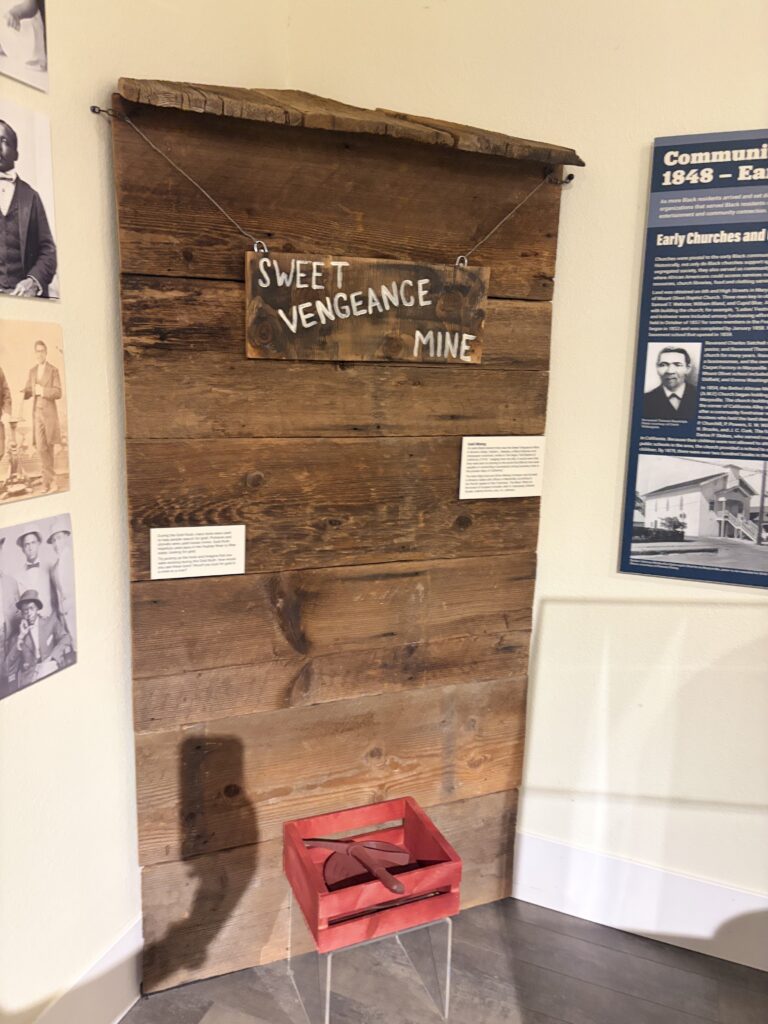
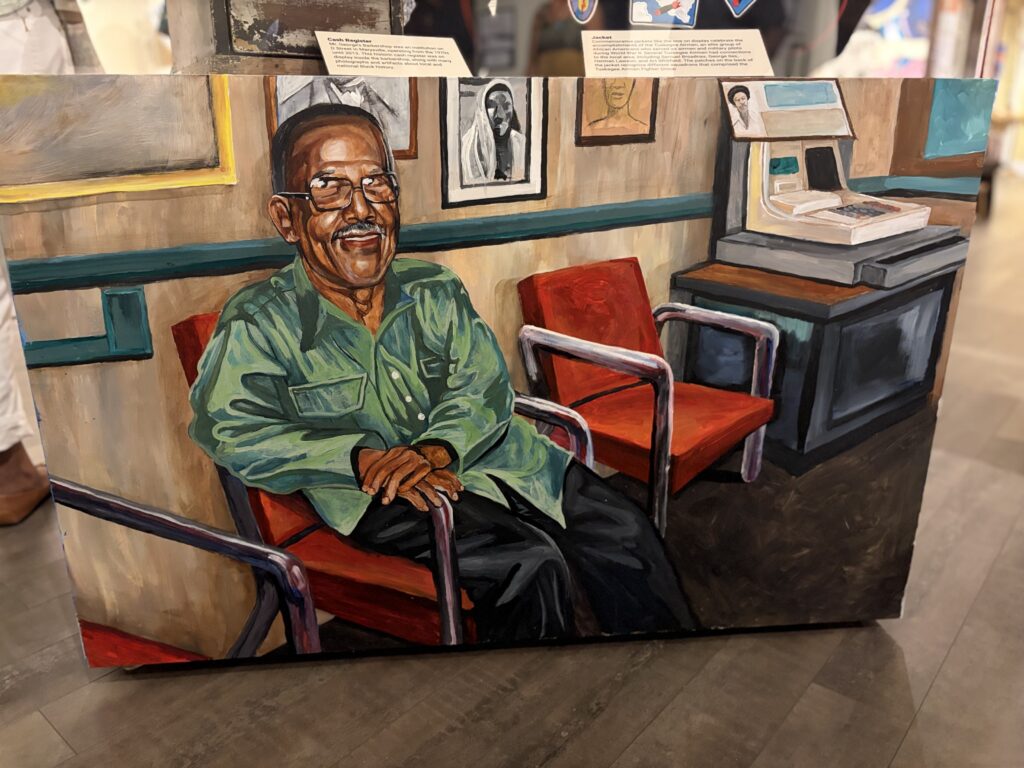
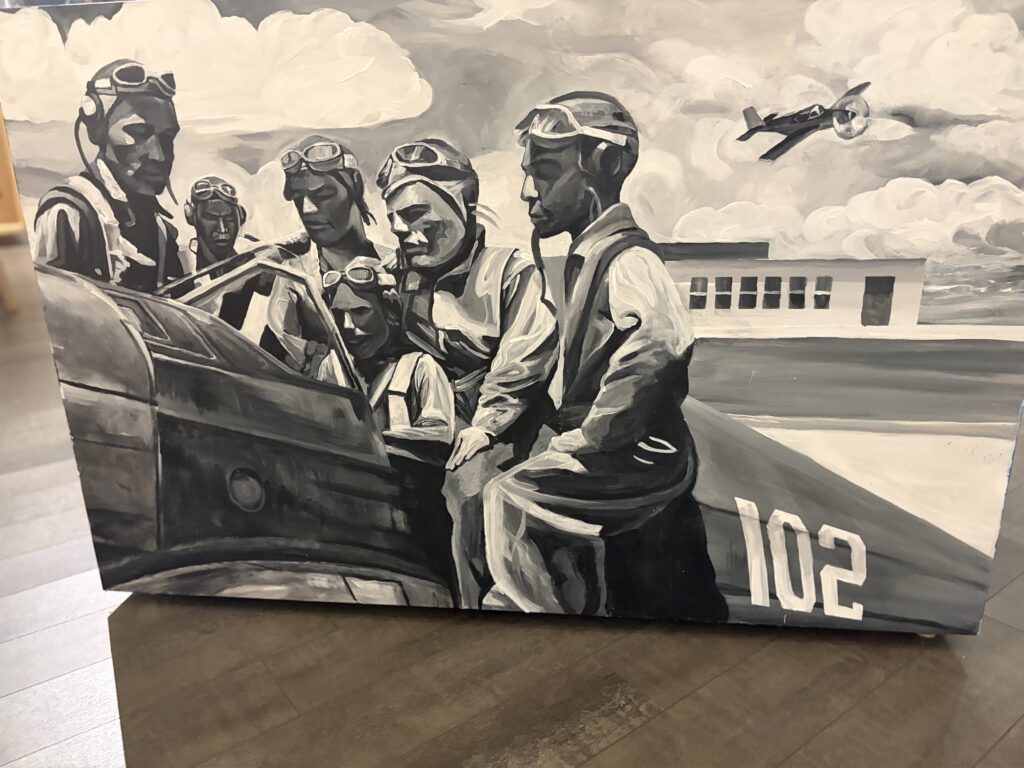
As I explored the exhibit, I learned about Black pioneers who arrived during the Gold Rush, neighborhood barbershops that became centers of community life, local connections to the Tuskegee Airmen, and families whose histories continue to be rediscovered. Original artwork by Louie Lethridge brings these stories to life, while the work of local historian Carol Withington, author of Black Pioneers of Yuba County, has helped preserve this history for future generations.
One story that especially stayed with me came from Huy Dao.
While studying at Sacramento State University, Huy interned at the museum, researching newspapers and historical records dating from 1850 to 1930. Today, he works as a software engineer with the U.S. Nuclear Regulatory Commission, but he credits his experience at the museum with shaping both his professional and personal growth.
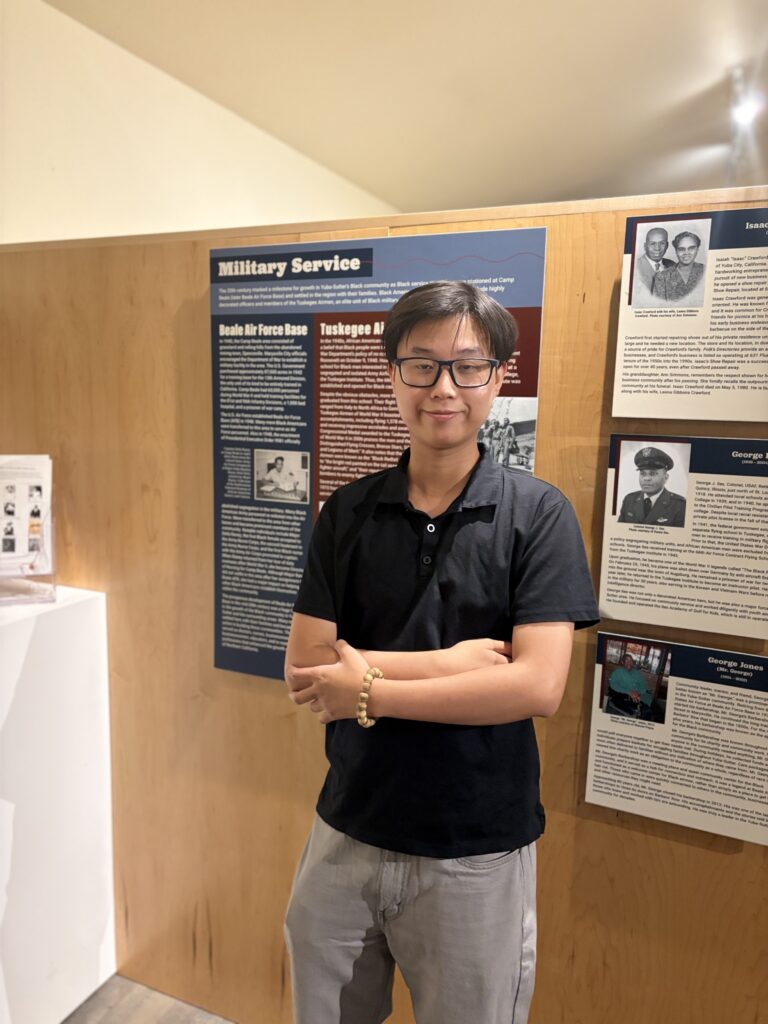
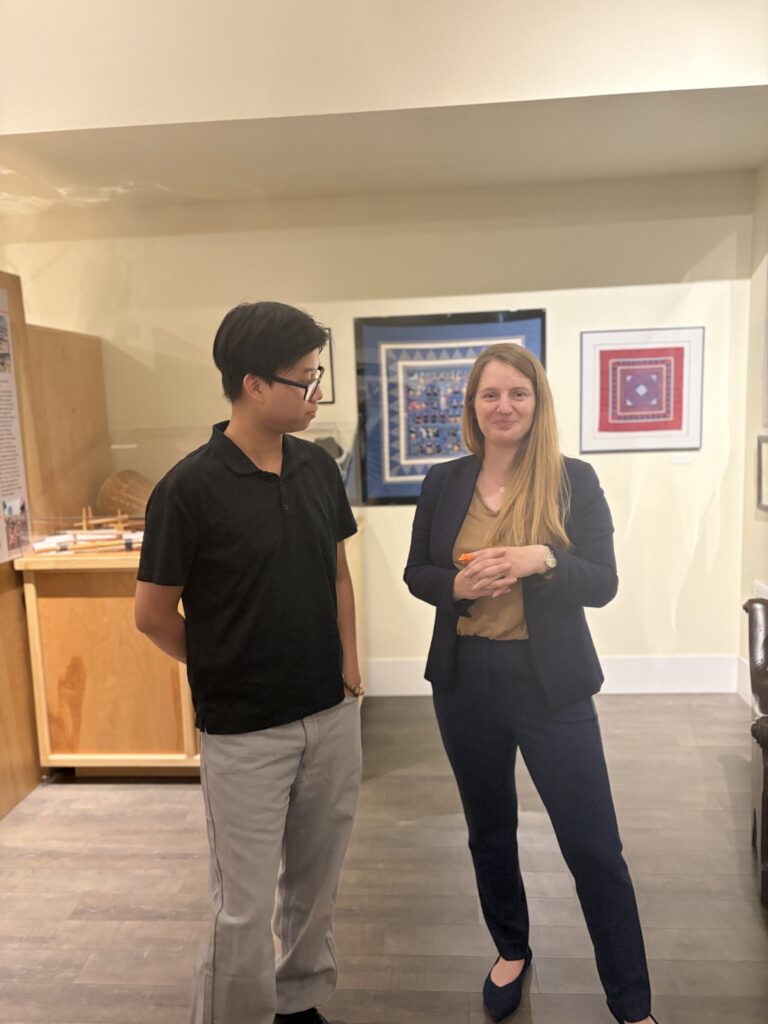
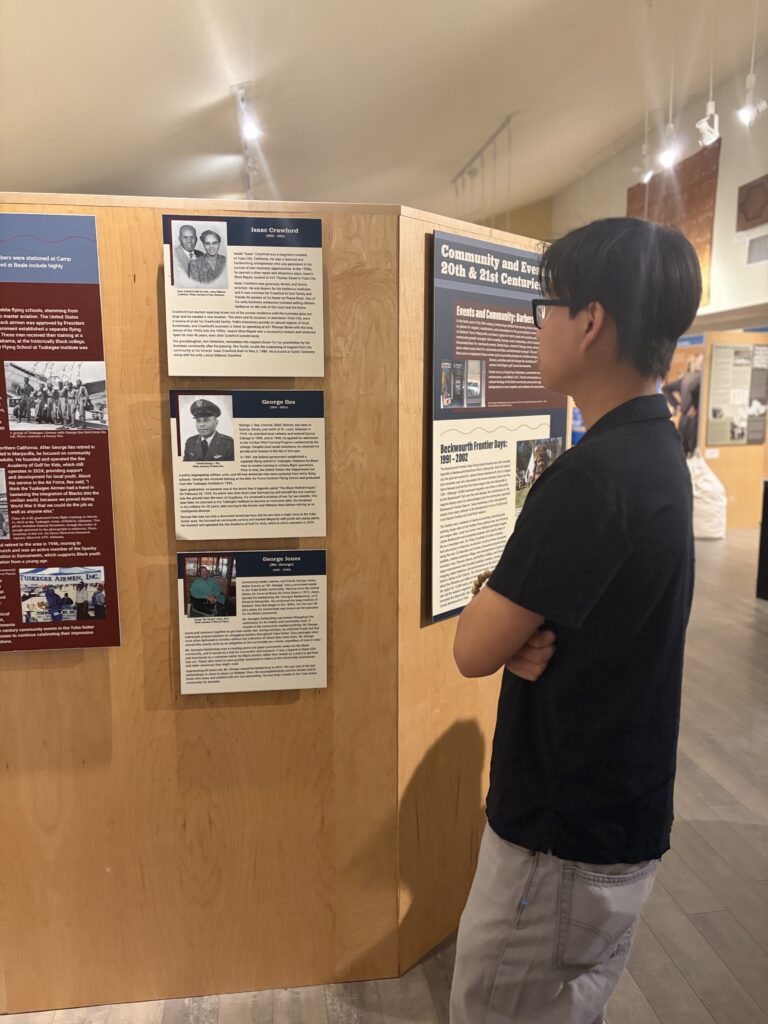
“This place taught me how to communicate with others and collaborate on a large project,” Huy shared. “I’ve received so much help from others here, and that experience has shaped who I am. Seeing our work culminate in an award-winning exhibition makes me feel like what we accomplished was incredibly meaningful.”
His story reminded me that the humanities don’t just preserve history. They shape people.
This visit also brought back memories of exploring Colonel Allensworth State Historic Park, another place where California’s Black history comes alive. Each experience has revealed another chapter of a story I didn’t know existed, and each one has left me wanting to learn more.
At the same time, I found myself reflecting on my own family’s history. My family has roots in Mahwah, New Jersey, where our family property has remained in our family for more than 100 years. That legacy reminds me that history isn’t just something we study. It’s something we inherit, protect, and pass on.
That’s why projects like this matter.
Black history is not only a story of struggle. It is also a story of builders, entrepreneurs, artists, veterans, educators, families, faith, resilience, and joy. It is an essential part of California’s story, and when we take the time to uncover these histories, we all gain a deeper understanding of the communities we call home.
As I left the museum, I wasn’t thinking about the past as much as I was thinking about the future. How many more stories are still waiting to be uncovered? How many family histories are waiting to be rediscovered? And how richer is our understanding of California when every community has the opportunity to see itself reflected in our shared history?
I left feeling hopeful.
Because every story we uncover helps us better understand one another. And that is the enduring power of the humanities.