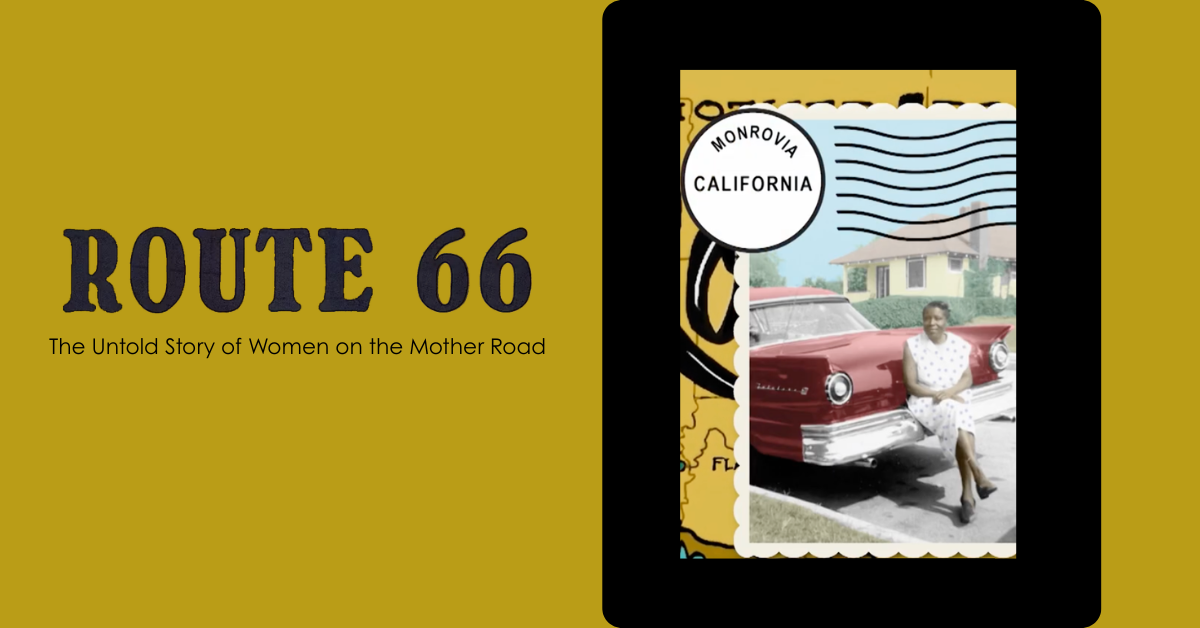
As Route 66 celebrates its 100th anniversary, it is often remembered as a symbol of freedom—the open road, endless possibility, the promise of movement and reinvention. But that story is incomplete. This year, California Humanities begins a new series inspired by Route 66: The Untold Story of Women on the Mother Road by filmmaker Katrina Parks. Together, these stories look beyond the myth to explore the lived experiences of those for whom the road was not always open—or safe. We begin with Councilmember Larry Spicer of Monrovia.
In 1947, his parents, Samuel and Geneva Spicer, left Mississippi to escape racial violence and the harsh realities of life in the cotton fields. Like many Black families during the Great Migration, they sought not just opportunity, but safety. They built a new life in Monrovia. But segregation did not disappear—it followed them, shaping daily life in visible and invisible ways.
Beginning in 1965, the Spicer family traveled Route 66 back to Mississippi to visit loved ones. These trips required careful planning. They packed food to avoid stopping in hostile towns. They traveled in caravans for safety. They timed their stops deliberately—and endured what they encountered without response. This, too, was Route 66. Not just a road of freedom, but a road of negotiation, resilience, and survival.
Spicer’s story reminds us that infrastructure carries memory. Roads are not neutral—they reflect the realities of the people who travel them. As we approach the centennial of Route 66, expanding the narrative is not about diminishing its legacy—it is about deepening it. Because the fuller story is not singular. It is layered. And it is still unfolding.